Accredited inspection body in Belgium

Gas inspection: safety, compliance and peace of mind

Meter opening, compliance inspection or periodic check: have your gas installation inspected by an accredited body. We guide you to the right inspection for your situation.
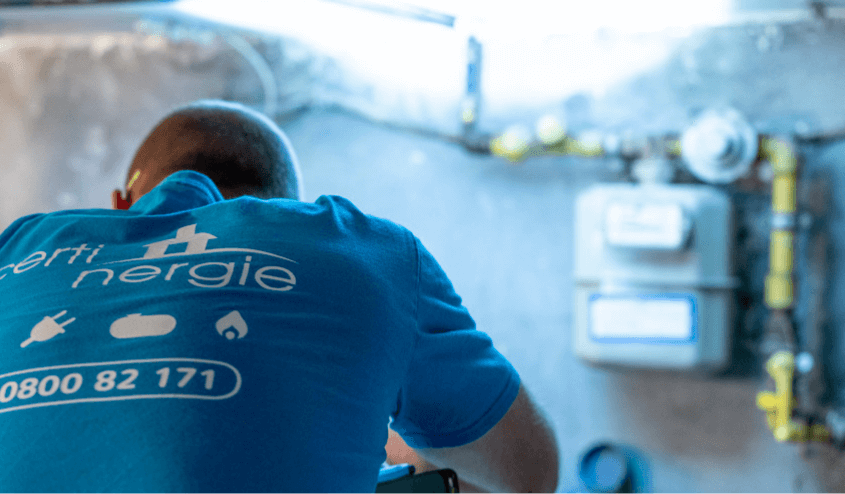
Book a gas inspection Speak to an expert
Certinergie VZW is a body recognized and accredited (563-INSP) by the Federal Public Service Economy to conduct electrical and gas inspections.

Recognised by all DSOs

Why is a gas inspection essential?

A gas inspection is not just an administrative formality. It is an essential verification that guarantees the safety of your installation and allows you to use gas legally.

Prevent risks

Gas is a safe energy when properly managed. A regular inspection detects leaks, ventilation issues or non-compliant connections before they cause problems.

Comply with regulations

In Belgium, a compliance inspection is mandatory for certain gas installations: new installation, major modification or certain building types.

Open or reopen the meter

Your distribution system operator (DSO) requires a gas compliance certificate to open or reopen your meter. Without this document, no gas supply.

Obtain an official document

The inspection results in a report recognised by authorities and network operators. It proves that your installation meets Belgian standards.

Belgian reference standards vary depending on the type of gas and the power of the installation. Each situation requires a specific inspection carried out by a body with the appropriate accreditation.

The different types of gas inspections

Not all gas inspections are the same. The type of inspection you need depends on several criteria: the type of gas used (natural, butane or propane), the power of your installation, the building type and the accreditations required by regulations.

Natural gas

Distributed via the public gas grid. The most common gas in urban areas, connected directly to your meter.

Butane / Propane

Gas in a tank or bottles, used in areas not connected to the grid. Also known as LPG or heavy gas.

Installations ≤ 70 kW

Single-family homes, apartments, small buildings. The vast majority of residential installations fall into this category.

Installations > 70 kW

Collective buildings, office buildings, industrial sites. These high-power installations require specific accreditations.

Discover below the inspection suited to your situation.

Which gas inspection for your situation?

Select the type of inspection that matches your installation. Each dedicated page gives you all the detailed information: regulations, process, pricing and booking options.

Natural gas inspection – installations ≤ 70 kW

For single-family homes, apartments and small buildings connected to the natural gas grid. The most common inspection for residential customers.

Butane / propane inspection – installations ≤ 70 kW

For homes not connected to the grid, supplied by tank or gas bottles (LPG). Rural areas and isolated sites.

Natural gas inspection – high power > 70 kW

For collective buildings, office buildings, shops and tertiary sites. Specific accreditation required.

Butane / propane – high power > 70 kW

For industrial sites and complex technical installations running on LPG. Specialised expertise and dedicated accreditation.

Not sure which inspection to choose?
Our advisors can guide you free of charge to the inspection suited to your situation.

How does a gas inspection work at Certinergie?

A simple and transparent process, from booking to receiving your certificate.

01

Book an appointment

Book online or by phone. We offer appointments within 48 hours throughout Belgium.

02

On-site intervention

An accredited inspector visits your address at the agreed time. Allow 30 to 60 minutes depending on the installation.

03

Checks and tests

The inspector checks the entire installation: tightness, connections, ventilation, flue discharge, appliance compliance.

04

Clear and recognised report

You immediately receive your compliance certificate, recognised by all distribution system operators (DSOs) and competent authorities.

05

Guidance if needed

In case of non-compliance, we clearly explain the points to be corrected and guide you until compliance is achieved.

Why choose Certinergie for your gas inspection?

For over 15 years, Certinergie has been supporting residential and professional customers in bringing their installations into compliance. Our gas expertise is recognised throughout Belgium.

Accredited inspection body

Certinergie holds the necessary accreditations to carry out gas inspections according to current Belgian standards.

Qualified inspectors

Our inspectors are trained and certified according to the type of inspection (natural gas, LPG, small or high power).

Officially recognised reports

Our certificates are accepted by all distribution system operators (Ores, Sibelga, Fluvius…) and competent authorities.

Nationwide presence

We operate throughout Flanders, Brussels and Wallonia. Full coverage of the Belgian territory.

Combine inspections

Gas + electricity, EPC + gas… Combine your inspections in a single visit and benefit from advantageous rates.

Reactivity and availability

Appointments available within 48 hours. Report delivered immediately after the inspection.

50 000+
Inspections per year

15+
Years of experience

48h
Average appointment time

4.8/5
Customer satisfaction

Frequently asked questions about gas inspection

Answers to the most common questions from our customers.

The type of inspection depends on your installation: natural gas or LPG (butane/propane), and power below or above 70 kW. For a house or apartment connected to town gas, it is usually the natural gas inspection ≤ 70 kW. If you have a propane tank, it is the butane/propane inspection. In case of doubt, our advisors guide you free of charge.

Yes, in several situations: for a new installation, after a major modification, for the opening or reopening of a gas meter, or during periodic checks required for certain building types. The inspection ensures that your installation meets Belgian safety standards.

The validity depends on the type of inspection and context. For a domestic installation, the compliance certificate generally does not have an expiry date as long as the installation is not modified. For professional installations or collective buildings, periodic checks may be required (every 2, 3 or 5 years depending on the case).

Don’t panic. In case of non-compliance, our inspector clearly explains the points to be corrected. You have the necessary work carried out by a qualified installer, then we return for a re-inspection. We guide you throughout the process until you obtain your certificate.

Absolutely! It is even recommended. You can combine the gas inspection with the electrical inspection, the EPC certificate or other services. This saves time and you often benefit from advantageous rates on combined packages.

Ready to have your gas installation inspected?

Our team is available to guide you towards the right inspection for your situation and schedule a quick intervention.

48hAverage appointment time
InstantReport after inspection
DSO recognisedRecognised certificate
Book a gas inspection Speak to a Certinergie expert

WhatsApp •  contact@certinergie.be  •  Mon-Fri 8:30am-17pm

© Certinergie NPO – VZW rue Haute Voie 5 4537 Verlaine / Chaussée de Tirlemont 156, 5030 Gembloux / Brusselsesteenweg 599,3090 Overijse / Avenue Louise 367 1050 Bruxelles RPM ASBL 0536.501.654. RPM SRL 0831.937.722. Certinergie Luxembourg SARL